Baroque Influencers
Handel and the Accademia dell’Arcadia
 Location details

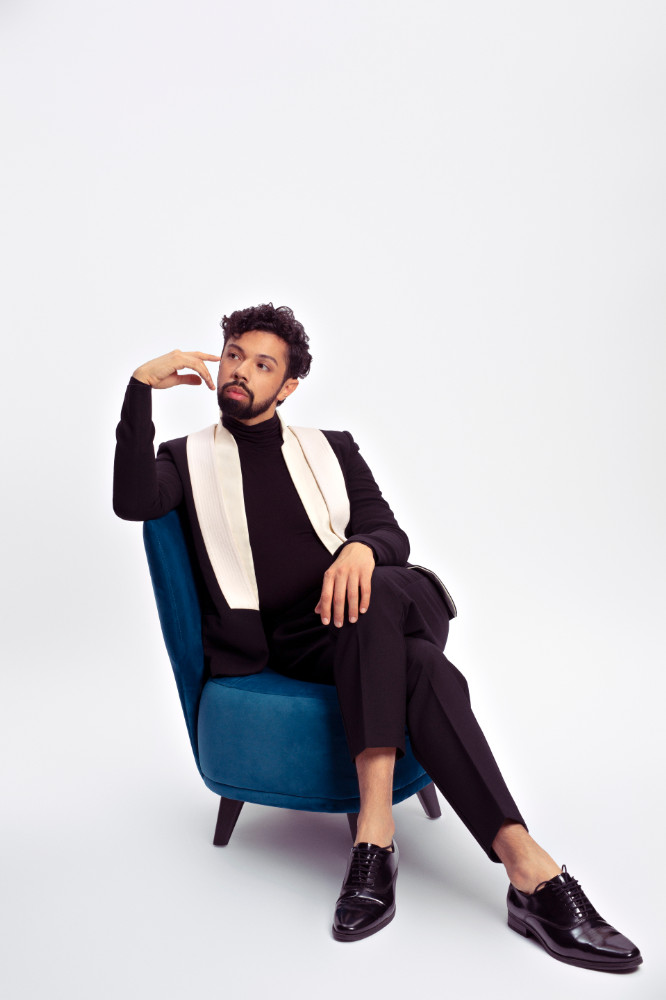
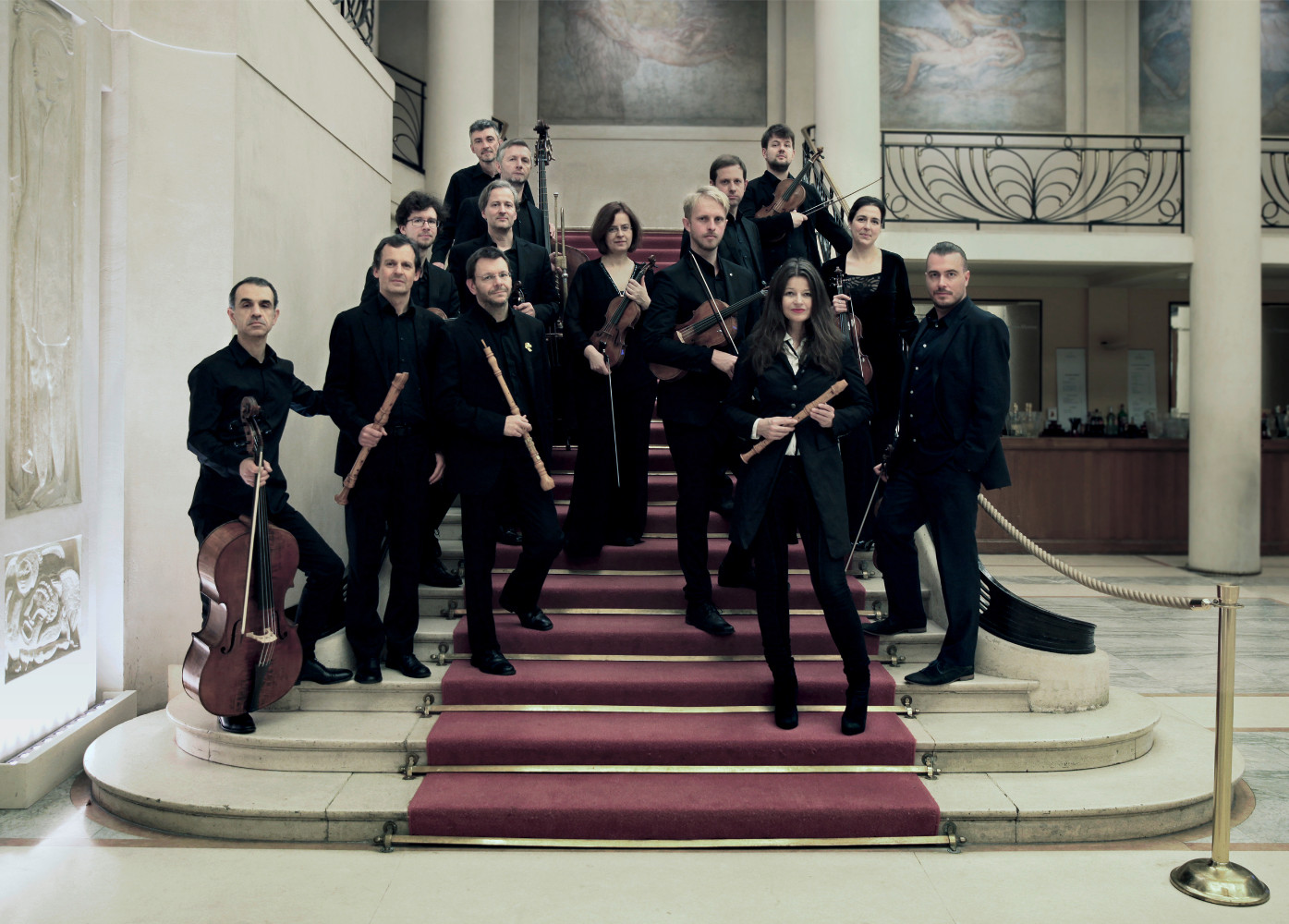
They are an absolute rarity: male sopranos fascinate audiences with their natural, innate soprano voices. Unlike countertenors, they are able to sing using both their chest and head voices without resorting to falsetto. The Brazilian singer Bruno de Sá is one such exceptional talent. He showcases his breathtakingly high voice in a vibrant selection of arias from Baroque operas that emerged from the milieu of the Accademia dell’Arcadia. Alongside composers such as Alessandro Scarlatti, Giovanni Battista Bononcini, and Arcangelo Corelli, Handel – highly esteemed in Italy – was also part of this secret circle of Roman Baroque artists. This repertoire is perfectly suited to Dorothee Oberlinger, known as the “Queen of the Recorder”, and her Ensemble 1700.
Alessandro Scarlatti:
Sinfonia avanti la Serenata „Clori, Dorino e Amore“
Più non m'alletta e piace from Il Giardino d’Amore (Venere e Adone)
Sinfonia from Venere e Amore
George Frideric Handel:
Concerto No. 5 in F major (HWV 293) after the recorder sonata HWV 369
Qui l’augel from Aci, Galatea e Polifemo (HWV 72)
Come nube from Agrippina (HWV 6)
Tu del ciel ministro eletto from Il Trionfo del Tempo e del Disinganno (HWV 46a)
Giovanni Battista Bononcini:
Partir vorrei from Polifemo
Ombra mai fu from Xerse
Farfalletta che segue d’amor from Polifemo
Alessandro Marcello:
Concerto in D minor for oboe, arranged for recorder
Franceso Barsanti:
Jonny Faa
Arcangelo Corelli:
Sonata op. 5 No. 10 in F major, arranged by Francesco Geminiani
Bruno de Sá Soprano
Dorothee Oberlinger Recorder and Conductor
Ensemble 1700
Evgeny Sviridov Violin
Anna Dmitrieva Violin
Gabrielle Kancachian Viola
Vladimir Waltham Violoncello
Kit Scotney Double bass
Axel Wolf Lute
Olga Watts Harpsichord, organ