Messiah (HWV 56)
Oratorio by George Frideric Handel
 Location details

When Handel composed the famous “Hallelujah” Chorus for his Messiah, he is said to have exclaimed that he saw heaven before him — God on His throne, surrounded by angels. In the moment of hearing it, we too gain a sense of what might have moved Handel as he wrote. Messiah is music of extraordinary density, intensity, and expressive power — a work that continues to captivate audiences to this day.
Handel had the boldness to conceive the oratorio through the lens of opera, the genre in which he had achieved such triumphs in England. His Messiah can also be seen as a revolutionary step in the evolution of musical drama, for the oratorio was still a new form on English soil. “This oratorio surpasses all that has ever been performed of its kind in this or any other kingdom”, rejoiced the press after its premiere on April 13, 1742, in Dublin.
Handel completed the score in just three weeks — an astonishing feat, surely owed to his robust physical constitution, his determination, and his unyielding will. During his lifetime he was not only a celebrated star, but also a shrewd businessman. Yet in the case of Messiah, profit was not his aim. He conducted the work countless times himself, often donating the proceeds to charities for the poor, the orphaned, and the sick. When an admirer once praised him, Handel replied: “Mylord, I should be sorry if I only entertained them — I wish to make them better!”
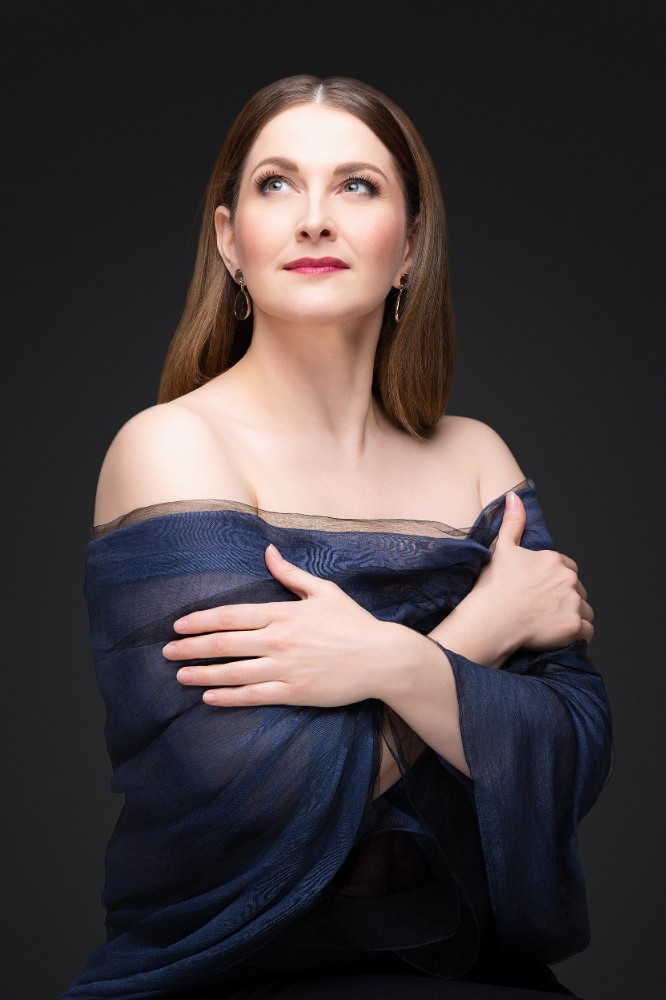
Let yourself be enticed by agile Baroque voices to rediscover Handel’s Messiah. Swiss soprano Ana Maria Labin, of Romanian heritage, impresses with radiant brilliance while Mezzo-soprano Lena Sutor-Wernich dazzles with noble depth. Together with the outstanding and sonorous NDR Vokalensemble, they ignite pure jubilation in the great “Hallelujah” Chorus.
Ana Maria Labin Soprano
Lena Sutor-Wernich Mezzo-Soprano
Ru Charlesworth Tenor
Drew Santini Baritone
NDR Vokalensemble
Heide Müller Rehearsal conductor
George Petrou Conductor